Learn why rusted
garage door cables pose a safety risk and how regular inspection, maintenance, and professional services can prevent accidents.
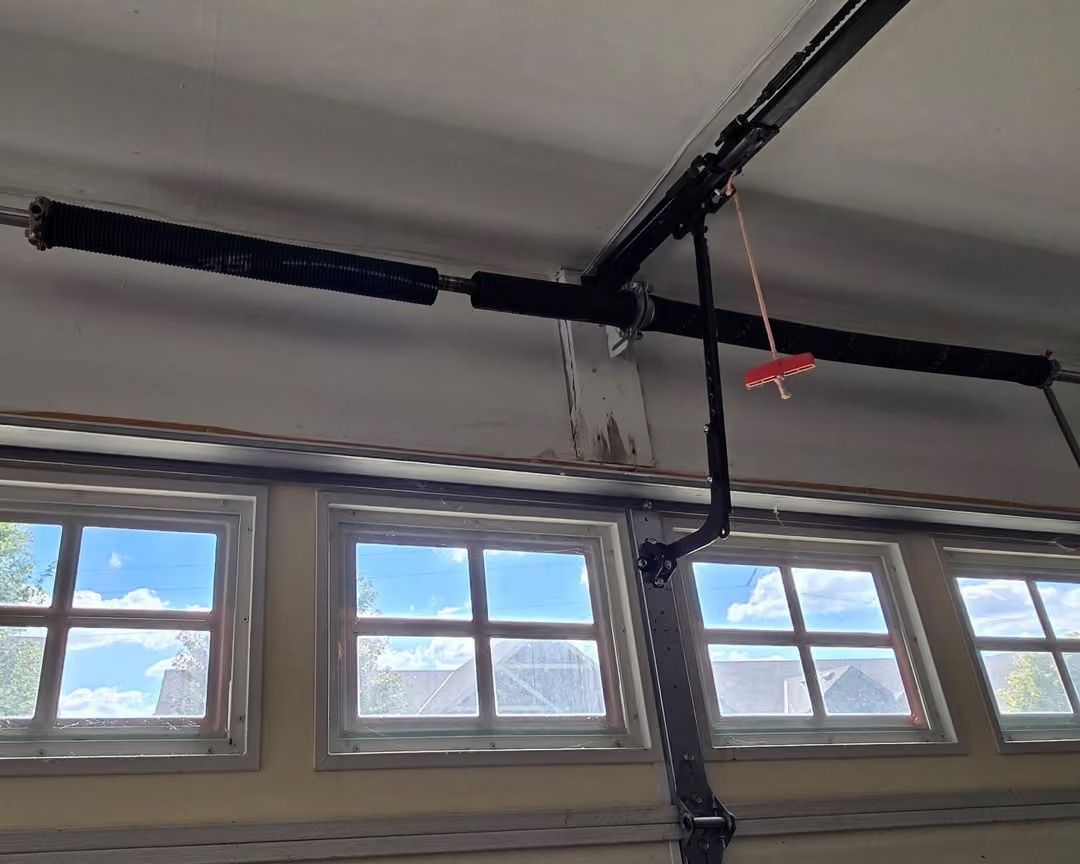
Your garage door is a vital part of your home, and its operation relies on a complex, carefully balanced system of
springs and cables. These cables, though often out of sight, bear the immense weight of your door every time it opens and closes. But what happens when these workhorses start to show signs of wear, particularly the orange-brown enemy known as rust?
Rusted
garage door cables are far more than an aesthetic problem—they are a serious safety hazard that homeowners should never ignore.
Why Do My Cables Rust? The Usual Suspects
Garage door cables are typically made of galvanized steel, which offers some resistance to corrosion. However, they are not immune to the effects of moisture and the environment.
The main culprits behind cable rust and corrosion are:
- High Moisture and Humidity: Living in a humid climate, or even just having poor ventilation in your garage, can cause condensation to form on the metal cables, leading to oxidation (rust).
- Exposure to Salt or Chemicals: If you live near the coast or use rock salt (or other corrosive de-icers) in your area, these corrosive substances can be tracked into the garage and settle on the cables, dramatically accelerating the rusting process.
- Lack of Maintenance: Over time, dirt, dust, and grime can accumulate on the cables. Without regular cleaning and lubrication, this debris can trap moisture against the metal, expediting corrosion.
The Danger: Why Rust is More Than Skin Deep
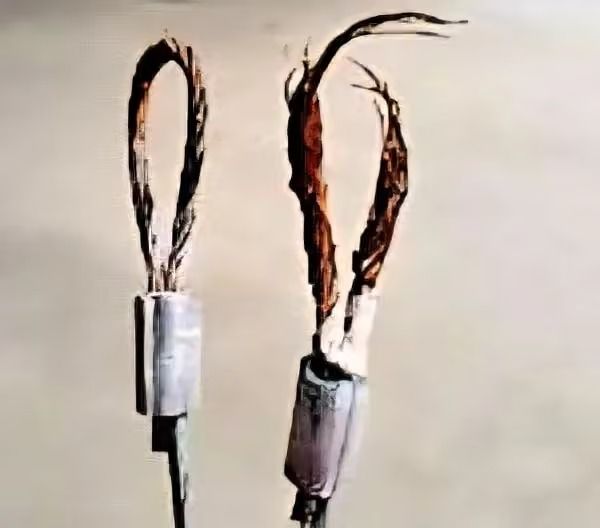
Rust on a garage door cable is not just a surface issue; it fundamentally compromises the structural integrity of the cable. Think of a cable as a metal rope—it's made of numerous tightly woven steel strands.
- Reduced Strength:Rust eats away at the steel, thinning the individual strands and making the metal brittle. This weakens the entire cable, reducing its ability to support the heavy weight of the door.
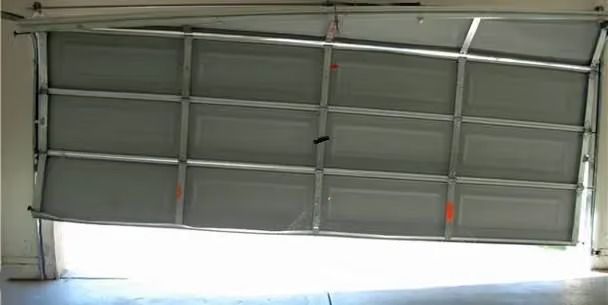
- Increased Risk of Snapping: As the cable weakens, it becomes far more prone to snapping under the extreme tension of the garage door springs. A snapped cable will cause the door to fall or close rapidly and unevenly, which can result in:
- Severe personal injury to anyone nearby.
- Significant damage to your vehicle or other property.
- Damage to other garage door components, like the tracks and panels.
- Uneven Operation: Even before a complete break, a rusted cable can cause the door to open or close unevenly, jerkily, or become crooked. This puts undue stress on the entire system, leading to premature failure of springs,
bearing rollers, and drums.
If you see streaks of rust, fraying strands, or kinks on your cables, do not attempt to operate the door and treat it as a critical failure.
Action Plan: From Inspection to Solution
Spotting a rusted cable means immediate action is necessary. Here’s what you need to do:
Step 1: Inspect Regularly (Every 3-6 Months)
Make it a habit to visually inspect your garage door components. Look for these key indicators of wear and corrosion:
- Streaks of Rust:Any significant orange or brown discoloration.
- Fraying:Broken or unraveling steel strands on the cable.
- Kinks or Bends:Any physical deformity that affects the cable's path.
Step 2: Clean and Lubricate (The Best Defense)
Regular maintenance is your strongest tool for prevention.
- Clean:Use a mild degreaser and a cloth to carefully clean any built-up dirt or visible rust spots on the cables.
- Lubricate:Apply a
high-quality, non-greasy garage door lubricant(often a silicone spray or a specialized formula) to the cables and all other moving parts, such as the rollers, hinges, and springs. Avoid using thick greases, which can attract and hold dirt. Lubrication reduces friction and helps repel moisture, significantly slowing down the rusting process.
Step 3: Call a Professional (The Safest Solution)
If you discover significant rust, fraying, or a completely broken cable, do not attempt a DIY repair.
Garage door cables and springs are under tremendous tension. Trying to replace or adjust them without the correct tools and training is extremely dangerous and can lead to serious injury. A professional technician can:
- Safely Replace:Perform professional
installation of new, high-grade galvanized or even stainless steel cables (recommended for high-moisture areas).
- Diagnose Underlying Issues:Check that your pulleys and drums are operating correctly, that the entire door system is properly balanced and aligned, and that your
weatherstripping is sealing properly.
- Adjust Tension:Ensure the new cables and springs have the correct tension for safe and smooth operation.
Don't wait for the sound of a cable snapping to take action. A few minutes of inspection and regular lubrication can keep your garage door running safely and smoothly for years to come.
"Don't risk a DIY repair. Call us today at
763-461-2160to schedule your professional cable replacement service."